


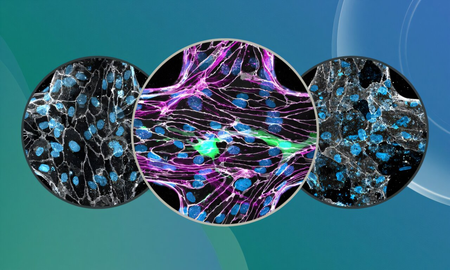
New Delhi, Sep 19: Researchers have identified how the malaria parasite Plasmodium falciparum affects the brain, an advance that may help develop potential therapeutics that could help prevent or even reverse the damage. Cerebral malaria kills one out of five children who suffer from it and also causes long-term disabilities in half of the survivors.
Malaria is caused by the parasite Plasmodium falciparum, which reproduces in our red blood cells and then breaks out of them to continue infecting new cells. Once the parasite makes it to the blood-brain barrier (BBB) — a structure that protects the brain from harmful substances — it can damage it, causing severe complications. To understand its effects, researchers from the European Molecular Biology Laboratory (EMBL) in Barcelona, Spain, created a lab-grown BBB to show how the parasite damages it. “You have to imagine the BBB as a system of tightly sealed pipes that prevent leaks. The malaria parasite is capable of developing cracks in those pipes and creating a leak that starts dripping infected fluid into the brain, causing swelling and making the disease irreversible,” said Livia Piatti, postdoctoral student at EMBL.