


- Bilkul Online
- Mumbai | 24 Dec 2025
As part of its steadfast commitment to advancing India’s digitization mission, and further driving financial inclusion agenda, PayU, a leading fintech platform, executed a host of Corporate Social Responsibility (CSR) initiatives in 2025. Designed to bridge the digital divide and empower underserved communities nationwide, PayU’s multi-faceted programs have directly benefited over 50,000 rural beneficiaries and over 140 women across key villages in states like Maharashtra, etc. and about 450 students and educators in India since 2024. To drive this mission forward, PayU partnered with the key organizations including partnerships with the Data Security Council of India (DSCI), NeevJivan NGO, etc.
“PayU’s commitment to social impact goes beyond financial inclusion – we’re building digitally safe and economically empowered communities from the ground up,” said Richa Mukherjee, Senior Director – Corporate Affairs and Public Policy. “These programs represent our belief that technology and entrepreneurship can transform lives. When we see rural students mastering cybersecurity concepts or women launching sustainable businesses, we’re creating lasting change that supports the Digital India mission.”
Pioneering Digital Safety Education
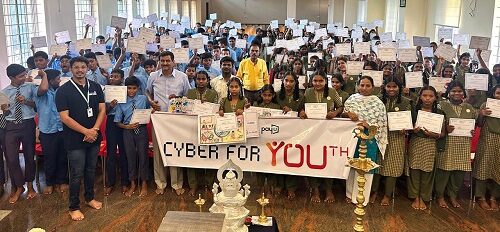
In partnership with the Data Security Council of India (DSCI) for its Cyber for Youth Program, PayU revolutionized cybersecurity education in rural Karnataka. Through engaging activities such as interactive quizzes, poster competitions, and live demonstrations conducted in local languages, covering critical topics including cyberbullying prevention, social media safety, and digital payment fraud awareness. The program’s impact was validated through rigorous pre- and post-assessments, with students showing knowledge improvement rates ranging from 62.5% to 82.3% across different schools.
Empowering Women Entrepreneurs Through Sustainable Livelihood Programs
By collaborating with NeevJivan NGO, PayU implemented its ‘Model Village Program’ focused on empowering women entrepreneurs in the Nashik, Dahanu, and Jawhar regions of Maharashtra. The initiative introduced sustainable livelihood projects including bee-keeping, mushroom farming, poultry farming, and vermicomposting, providing women with viable alternate income sources.