


- Bilkul Online Festive Special
- By Rafat Quadri
- 28 May 2026
Eid-ul-Zuha, also known as Eid al-Adha or Bakrid, is one of the most significant festivals celebrated by Muslims across the world. The festival symbolizes sacrifice, devotion to God, compassion for humanity, and the spirit of sharing. It is observed with prayers, charity, family gatherings, and the ritual sacrifice of animals in remembrance of a profound act of faith by Prophet Ibrahim (Abraham).

The Meaning Behind Eid-ul-Zuha
The word “Zuha” refers to sacrifice. The festival commemorates the willingness of Prophet Ibrahim to sacrifice his beloved son as an act of obedience to Allah’s command. According to Islamic belief, just before the sacrifice was to take place, Allah replaced his son with a ram, rewarding Ibrahim’s unwavering faith and devotion.
This story teaches believers the values of trust in God, selflessness, patience, and submission to divine will.

Eid-ul-Zuha is celebrated on the 10th day of Dhul Hijjah, the final month of the Islamic lunar calendar. The festival coincides with the annual Hajj pilgrimage to Makkah, which is one of the five pillars of Islam.
Since the Islamic calendar is based on moon sightings, the date of Eid changes every year according to the Gregorian calendar and may vary from country to country.
Rituals and Celebrations
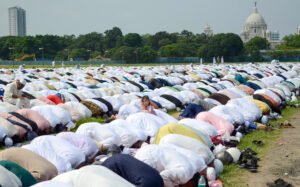
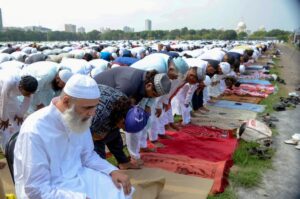
The day begins with special congregational prayers held in mosques and open prayer grounds. Worshippers wear clean or new clothes and greet one another with warm wishes of “Eid Mubarak.”
One of the central rituals of Eid-ul-Zuha is Qurbani, or animal sacrifice. Families who can afford it sacrifice animals such as goats, sheep, or camels in remembrance of Prophet Ibrahim’s devotion. The meat is traditionally divided into three parts:
- One part for the family
- One part for relatives and friends
- One part for the poor and needy
This distribution reflects the Islamic values of equality, charity, and caring for society.
Importance of Charity and Humanity
Beyond celebration, Eid-ul-Zuha emphasizes compassion and generosity. Muslims are encouraged to help the underprivileged, donate to charitable causes, and ensure that everyone can participate in the festivities.
The festival also strengthens family bonds and social harmony as relatives and friends visit one another, share meals, and exchange greetings.

Traditional Foods and Festivities
Eid-ul-Zuha is associated with a rich culinary tradition in different regions of the world. Popular dishes include biryani, kebabs, korma, haleem, sevaiyan, and various sweets prepared during the celebrations.
Homes are decorated, children receive gifts and Eidi, and communities come together in an atmosphere of joy and gratitude.
A Universal Message
While Eid-ul-Zuha is an Islamic festival, its message is universal. It reminds humanity about sacrifice for noble causes, caring for others, and living with humility and gratitude. The festival encourages people to rise above selfishness and embrace kindness, unity, and faith.
In today’s fast-paced world, Eid-ul-Zuha continues to inspire millions by reinforcing timeless values of compassion, sharing, and spiritual devotion.