


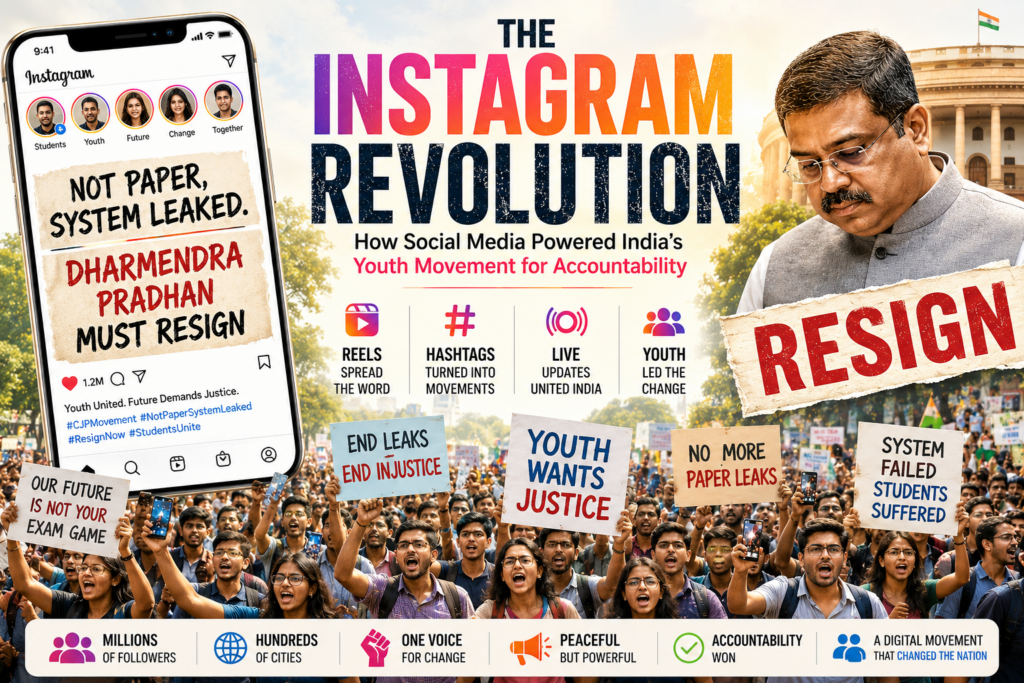
The Instagram Revolution: How Social Media Amplified the Youth’s Demand for the Education Minister’s Resignation
*The Instagram Revolution * Reels That Shook Delhi * From Reels to Resistance * The Youth Uprising Online
- Bilkul Online | Sunday Special
- By Rafat Quadri
The resignation of Union Education Minister Dharmendra Pradhan following weeks of nationwide protests has marked a significant moment in contemporary Indian politics. While public demonstrations and student movements have historically shaped political decisions, the latest campaign highlighted the unprecedented role of social media—particularly Instagram—in transforming public sentiment into organized civic action.
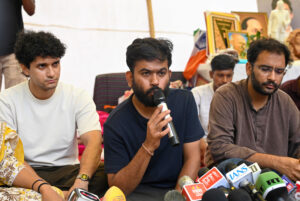

What began as anger over alleged irregularities and repeated paper leaks in competitive examinations soon evolved into a nationwide youth movement. At the heart of this transformation was Instagram, which emerged not merely as a social networking platform but as a powerful tool for communication, mobilisation, and public accountability. According to multiple reports, the youth-led CJP (Cockroach Janta Party) movement rapidly gained millions of followers on Instagram, helping amplify its message across the country.
Why Instagram Became the Platform of Choice
Unlike traditional social media platforms that rely heavily on text, Instagram’s visual-first format appealed strongly to Generation Z.
Through short Reels, infographics, stories, and live sessions, students and young professionals shared:
- Personal experiences with examination irregularities.
- Emotional stories of affected candidates and families.
- Updates from protest sites.
- Calls for peaceful demonstrations.
- Explanations of the movement’s demands.
The algorithm helped these posts spread rapidly beyond followers, allowing the issue to dominate online conversations without relying on conventional media coverage.
From Hashtags to Headlines
The movement demonstrated how hashtags can evolve into real-world campaigns.
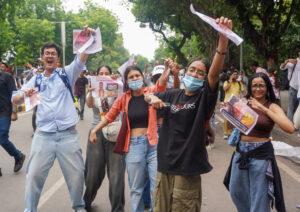
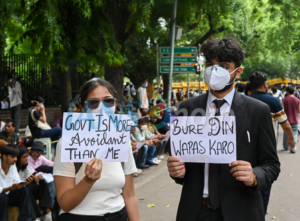


Thousands of users posted synchronized content, reshared protest videos, and encouraged others to participate in peaceful demonstrations. Instagram creators, student leaders, educators, and independent journalists ensured that the issue remained visible every day.
Unlike earlier campaigns dependent on television debates or newspaper editorials, information now travelled directly from protesters to millions of smartphones within minutes.
This constant visibility prevented public attention from fading.
The Rise of Citizen Journalism
One of the most remarkable aspects of the campaign was the emergence of citizen journalists.
Students attending demonstrations uploaded:
- Live videos
- Ground reports
- Interviews
- Police interactions
- Protest speeches
This real-time documentation created an alternative flow of information and allowed audiences nationwide to follow developments as they unfolded.
For many young Indians, Instagram became their primary news source during the protests.
CJP and the Power of Digital Organisation
The CJP successfully used Instagram not merely for publicity but for coordination.
The platform helped:
- Announce protest locations.
- Share schedules.
- Clarify misinformation.
- Explain movement objectives.
- Encourage peaceful participation.
- Maintain communication between organisers and supporters.
Reports indicate that the movement’s Instagram presence expanded dramatically within days, attracting millions of followers and becoming one of the country’s fastest-growing political communities online.
Youth Participation Redefined
Perhaps the biggest success of the campaign was its ability to engage young citizens who had never previously participated in political demonstrations.
Students preparing for competitive examinations, recent graduates, professionals, and first-time voters became active participants.
For many of them, Instagram lowered the barrier to civic engagement. A single Reel, Story, or shared post became a way to express solidarity before many eventually joined peaceful demonstrations on the ground.
The Pressure of Continuous Public Attention
Social media ensured that the issue remained in the national conversation around the clock.
Unlike traditional protests that often lose visibility after a day or two, Instagram’s continuous stream of posts, stories, reels, and live updates kept public attention focused on the demands for accountability.
This sustained digital momentum was accompanied by nationwide demonstrations and ultimately culminated in the resignation of the Education Minister, along with government commitments to education reforms and related measures, according to news reports.
A New Era of Digital Democracy
The movement illustrates how social media has evolved beyond entertainment.
Instagram demonstrated its potential to:
- Inform citizens.
- Mobilise communities.
- Build nationwide solidarity.
- Amplify underrepresented voices.
- Encourage democratic participation.
At the same time, the campaign also highlighted the responsibility that accompanies such influence. Digital platforms can spread verified information rapidly, but they can also amplify rumours and misinformation. The success of any online movement therefore depends on participants sharing accurate information and encouraging peaceful civic engagement.
Conclusion
The recent youth-led campaign demanding accountability from the Education Ministry will likely be remembered as one of India’s defining examples of digital-age activism. Whether one agrees with every aspect of the movement or not, it underscored the growing influence of social media in democratic discourse.
Instagram proved that in today’s connected world, a smartphone can become a tool for civic participation, a platform for public dialogue, and a catalyst for collective action. The campaign also reflected a broader generational shift, with many young Indians increasingly engaging in issue-based activism through digital platforms rather than traditional political structures.
Among the slogans and placard messages that have been reported were:
Not Paper, System Leaked.
Dharmendra Pradhan Must Resign
A Digital Revolution in Public Mobilisation …. and many more