World Bicycle Day: The Simple Machine That Continues to Change the World
- Bilkul Online | Special Feature
- 03 June 2026

Two Wheels, Two Centuries of Impact
The bicycle has been in use for over 200 years and remains one of the most efficient forms of transportation ever created. Unlike motor vehicles, bicycles require no fuel, produce zero emissions, occupy minimal road space, and are affordable for millions of people worldwide. The United Nations describes the bicycle as a tool that promotes sustainable development, social inclusion, and healthier lifestyles.
Why the Bicycle Matters Today
In an era of climate change, traffic congestion, and rising lifestyle diseases, the bicycle offers a remarkably simple solution.
Health Benefits
- Strengthens the heart, lungs, and muscles.
- Helps reduce the risk of obesity, diabetes, and hypertension.
- Improves mental well-being by reducing stress and anxiety.
- Provides a low-impact exercise suitable for people of all ages.
Environmental Benefits
- Produces no direct carbon emissions.
- Reduces dependence on fossil fuels.
- Helps improve urban air quality.
- Requires far less energy and resources than motorized transport.
Economic Benefits
- One of the cheapest modes of transport.
- Reduces commuting expenses.
- Requires relatively low maintenance compared to motor vehicles.
Cycling Around the World
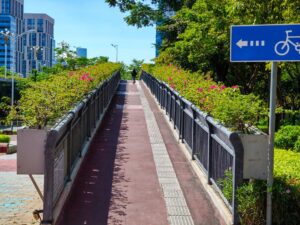
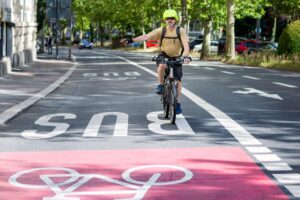
Many cities around the globe have embraced cycling as a central part of urban life. In countries such as the Netherlands, Denmark, and parts of Germany, bicycles are widely used for commuting, shopping, and recreation. Dedicated cycling lanes, bicycle parking facilities, and bike-sharing systems have transformed cycling into a mainstream mode of transport.
The global popularity of e-bikes (electric bicycles) has further expanded cycling’s reach, making longer journeys easier and encouraging more people to leave their cars at home. Governments increasingly view cycling as an important tool for reducing congestion and meeting climate goals.
The Indian Cycling Story
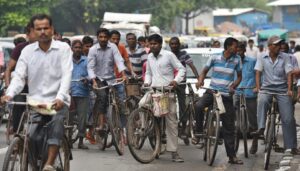
India has a deep and fascinating relationship with bicycles. For decades, the bicycle was the primary mode of transport for students, workers, farmers, and small traders. Even today, millions of Indians rely on bicycles for daily mobility.
Interestingly, India is among the world’s largest bicycle-producing nations and is also one of the largest consumers of bicycles. The cycle industry supports thousands of jobs and contributes significantly to the manufacturing sector.
A New Cycling Revolution
In recent years, cycling in India has undergone a transformation.
What was once seen mainly as a necessity is increasingly becoming:
- A fitness activity.
- A weekend hobby.
- An adventure sport.
- An eco-friendly commuting option.
Cycling clubs have emerged in cities such as Ahmedabad, Mumbai, Bengaluru, Pune, Delhi, and Hyderabad. Early morning rides, long-distance cycling events, and community rallies are becoming common. Government initiatives such as FIT India have also encouraged citizens to take up cycling for better health.
Challenges India Still Faces
Despite growing enthusiasm, cycling in India faces several hurdles:
- Lack of dedicated cycling lanes.
- Safety concerns in heavy traffic.
- Limited bicycle parking facilities.
- Urban planning that often prioritizes motor vehicles.
Experts believe that creating safer cycling infrastructure could encourage millions more Indians to use bicycles for short-distance travel, reducing congestion and pollution in rapidly growing cities.
More Than a Bicycle
A bicycle is often called the world’s most democratic vehicle. It does not discriminate based on age, income, or geography. It can take a child to school, a worker to a job, an athlete to a finish line, or a family on an adventure.
On World Bicycle Day, the message is simple: sometimes the solutions to our biggest challenges—health, pollution, congestion, and sustainability—are not high-tech or expensive. Sometimes, they arrive on two wheels.
As the world pedals toward a greener future, the bicycle remains a powerful reminder that progress can be simple, affordable, and sustainable. 🚴♂️🌍
“When you ride a bicycle, you don’t just move yourself forward—you help move the world toward a healthier future.”