CEPT University Students Triumph at Global Building Simulation Contest
Innovative Low-Carbon Design Secures Victory in BS2025
Energy Efficiency and Renewable Solutions Lead CEPT Team to Top Spot
CEPT University Students Clinch Top Spot at Global Building Performance Simulation Competition
Bilkul Online | Ahmedabad | 1 Sept 2025
Students from CEPT University’s Master’s in Building Energy Performance (MBEP) program have emerged victorious at the Student Modelling Competition 2025, organised by the International Building Performance Simulation Association (IBPSA) during the 19th Building Simulation Conference (BS2025) held from August 24–27, 2025, in Brisbane, Australia.
The biennial IBPSA conference, a leading global platform in building simulation, attracted participation from approximately 40 teams worldwide. CEPT University’s team secured first place, while Carnegie Mellon University, USA, claimed the runner-up position. This marks CEPT’s third consecutive finals appearance and their second consecutive win at the competition.
Energy-Efficient, Low-Carbon Design Leads the Way
The competition challenged students to develop energy performance analyses and retrofit strategies for the Bundanon Art Museum and Bridge in New South Wales, Australia. The CEPT team’s innovative solutions focused on:
- Passive design strategies and thermal comfort: Proposed interventions reduced uncomfortable hours by 94% and limited active heating to only 27 hours annually, while improving air quality.
- Optimised HVAC performance: Achieved a 54% reduction in overall heating and cooling electricity consumption.
- Renewable energy integration: Designed a 303kW solar PV system, capable of generating three times the gallery’s annual energy needs, enabling year-round off-grid operation.
- Low-carbon building facade: Achieved a 30.7% reduction in embodied carbon through enhanced material choices, insulation upgrades, improved cladding, and reduced steel usage.
Team and Mentorship
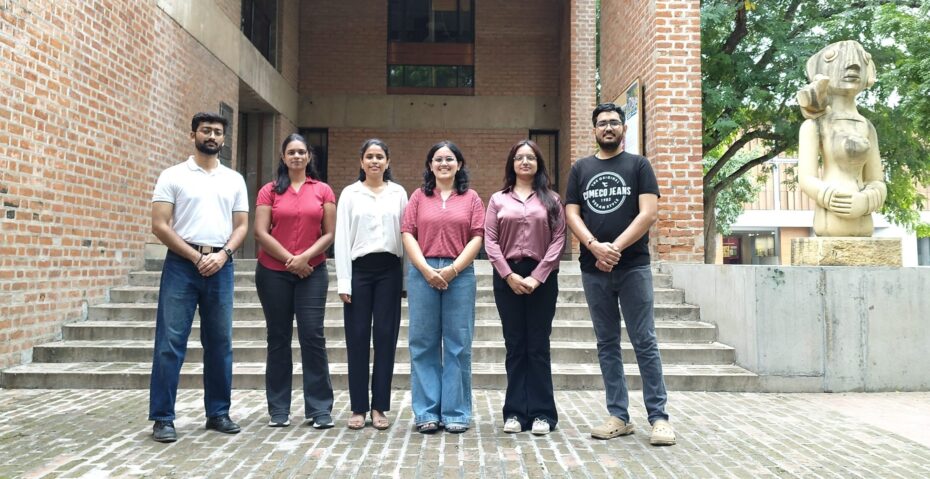
The winning team comprised Akarshna AK, Niyati Jogi, Samiksha Bhardwaj, Swetha R, Vasudev Pandya, and Vishal Yadav, mentored by CEPT faculty Prof. Rajan Rawal, Prof. Minu Agarwal, Research Associate Siddhi Vashi (CARBSE, CEPT), and Malay Dave of Steensen Varming, Sydney.
Reflecting on the experience, Swetha R said, “Participating in the BS2025 Student Modelling Competition was immersive. Tackling façade design, HVAC strategies, off-grid systems, and thermal comfort while balancing sustainability and occupant well-being strengthened my holistic approach to building performance and laid a strong foundation for my professional journey beyond academia.”
- kindly Like the shared link and Subscribe BILKULONLINE channel.
- https://youtube.com/shorts/ioUc7AkFOwQ?feature=share